When was the last time you spoke openly about menstruation? Have you ever hidden what you were going through? When was the last time you talked about menopause? Have there been moments when you felt you had to hide it, or felt alone? The answer to these questions is often the same: we remain silent.
Destekleriniz İçin: TR 2300 0100 0729 9750 7700 5003
A Campaign by Lotus Women's Solidarity and Life Association
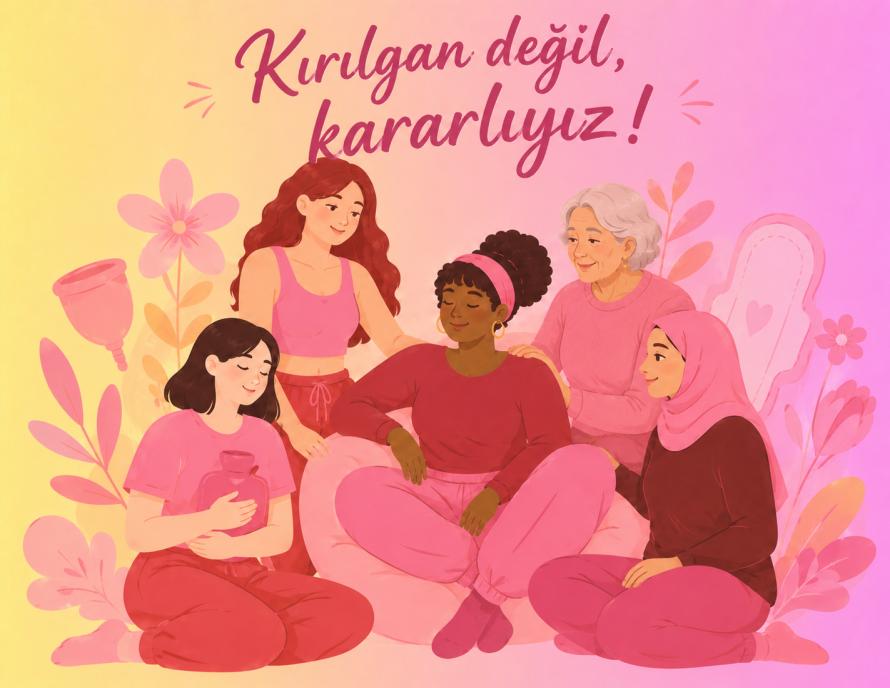
We Are Not Fragile. We Are Resolute.
What Is Menstrual Deprivation?
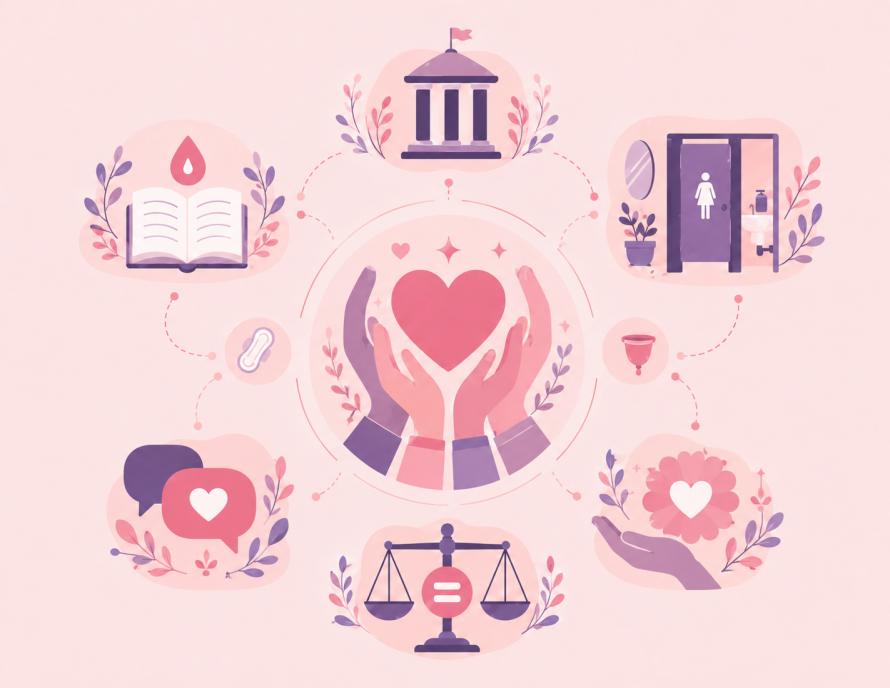
Menstruation is a natural part of life. However, access to menstrual products, clean water, and hygienic and safe toilets is not equal for everyone. Being unable to regularly afford pads, tampons, and other menstrual products is defined as period poverty. Period poverty is not only a health or hygiene issue. It is directly linked to poverty, gender inequality, participation in education and employment, social policy, and human rights.
Women and girls who cannot access menstrual products may be unable to attend school or work during their periods, withdraw from social life, or be forced to use unsafe alternatives. This further deepens existing economic and social inequalities. Being unable to access menstrual products is not an individual failing; it is the result of inequality.
Access to Menstrual Products and Challenging Taboos
Women and girls who cannot access menstrual products may be unable to attend school or work during their periods, withdraw from social life, or be forced to use unsafe alternatives. This further deepens existing economic and social inequalities. Being unable to access menstrual products is not an individual failing; it is the result of inequality.
Access to menstrual products is closely linked to women’s and girls’ rights to education, employment, health, and equal participation in social life. Menstrual products must therefore be accessible and affordable, accurate information about menstrual health and hygiene must be available, and the social taboos that prevent open conversations about menstruation must be challenged. A basic need should not become an economic privilege.
Breaking the Silence, Changing Inequality
Menstruation can still be viewed as a topic that must be hidden, concealed, or treated with shame. Using euphemisms instead of saying "I have my period," carrying sanitary pads discreetly, downplaying menstrual pain, and categorizing menstrual products as personal expenses rather than basic necessities are all different forms of this silence.
This silence causes period poverty and inequalities in the menstrual experience to remain invisible.
What Can We Change Together?
To combat period poverty:
- We must develop policies that support universal access to menstrual products.
- We must establish accessible and hygienic facilities in schools, workplaces, and public spaces.
- We must strengthen access to accurate, scientific information about menstruation.
- We must challenge attitudes that trivialize menstrual pain and other related health issues.
- We must support women and girls who lack access to menstrual products, without judgment.
- We must recognize that menstruation is not merely a “private matter,” but a right and a need linked to social equality.
We are talking about menstruation, making period poverty visible, and fostering solidarity for a life of equality.
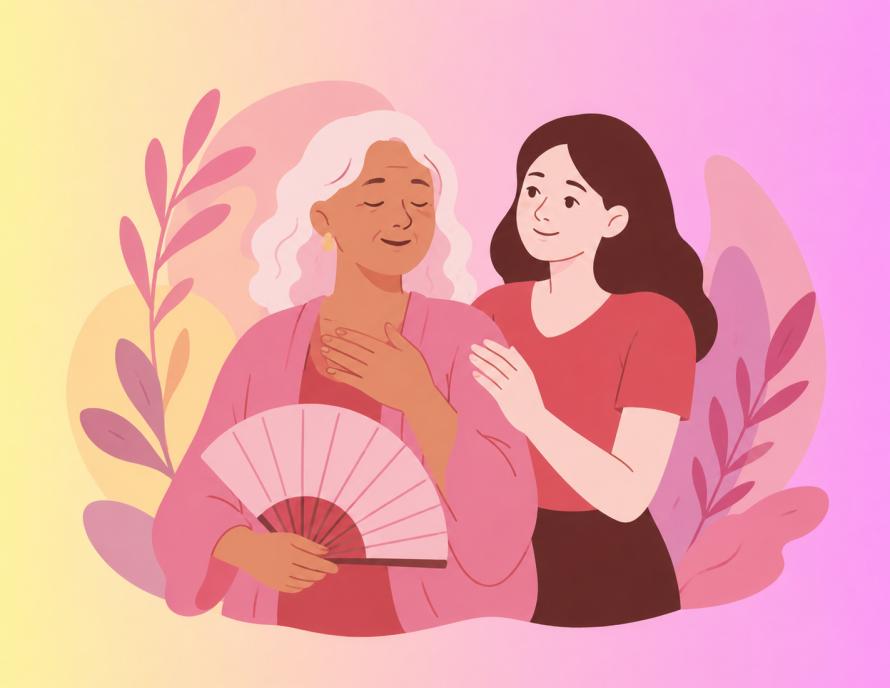
Menopause Is Not a Disease
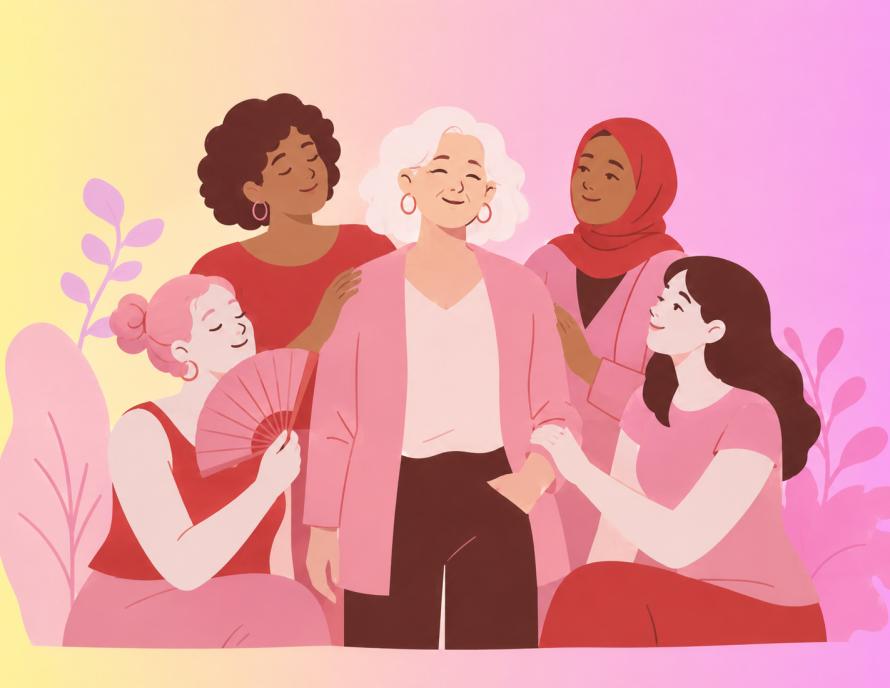
Menopause is a natural stage of life that begins when the menstrual cycle ends. However, the experience of menopause is not the same for every woman. In addition to physical changes, factors such as societal expectations, ageism, body image, access to healthcare, working life, and economic conditions can also influence this experience. A lack of open discussion about menopause and limited access to accurate information can cause many women to experience this period in greater isolation and with more difficulty.
Symptoms such as hot flashes, night sweats, sleep disturbances, mood swings, fatigue, and difficulty concentrating may occur during this time. However, not every woman experiences the same symptoms, and every menopause experience is unique. It is important to seek support from healthcare professionals if symptoms affect daily life or health.
Why Should We Talk About Menopause?
Unspoken experiences can leave women feeling isolated. Remaining silent about menopause can lead to the spread of misinformation, make it difficult for women to make sense of the changes they are experiencing, and prevent them from accessing the support they need. Discussing menopause means making women's experiences visible and strengthening access to accurate information.
The challenges faced by women such as struggling in the workplace due to menopausal symptoms, being forced to alter working conditions, or hesitating to share their experiences—are not merely individual issues. Ensuring that working life is safe, accessible, and inclusive for everyone requires taking into account the needs associated with different ages and stages of life. Women should not be forced to withdraw from the workforce or conceal their experiences because of menopause.
What Do We Need During Menopause?
Women's bodies are often judged based on youth, beauty, and productivity. Menopause, meanwhile, can be portrayed as a symbol of aging, declining productivity, or the end of womanhood. Yet, menopause does not diminish a woman's worth, productivity, or place in society. A woman's age, body, or stage of life should not dictate her rights and opportunities. Menopause does not have to mean becoming invisible.
- Access to accurate, scientific information
- Quality and accessible healthcare services
- Reliable guidance on menopausal symptoms
- Inclusive working conditions free from discrimination
- Challenging age-based stereotypes
- Safe spaces to discuss our experiences
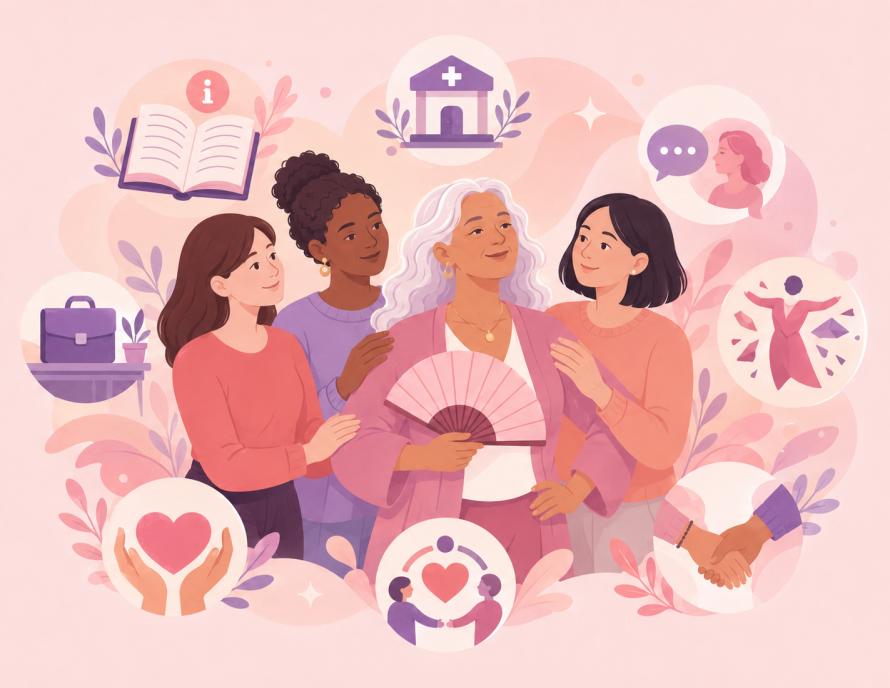
- Solidarity that reminds us we are not alone
Menopause is not a taboo or a deficiency; it is a natural stage of life that should be discussed and understood.
We Are Breaking the Silence Together
A need unmet during menstruation transforms into an experience left unspoken during menopause. On one hand, there is a lack of access to essential products; on the other, isolation caused by misinformation and societal stereotypes. These two distinct experiences stem from the same root: the failure to discuss, the rendering invisible, and the neglect of women's bodily needs. We want to break this silence.
We are fostering solidarity to ensure that access to menstrual products is no longer an economic privilege, that menopause ceases to be a taboo, and that women can access accurate information and quality healthcare regarding their bodies.
Because talking about our bodies is our right.
Having our needs acknowledged is our right.
Equal access to information, health, and support is our right.
We are not fragile. We are determined. Be a part of this transformation.
Speak up. Share. Make it visible. Strengthen solidarity.
“This project has been prepared with the support of the Civil Society Support Programme implemented by the Turkish Family Health and Planning Foundation (TAPV) and the United Nations Population Fund (UNFPA). The content of the website is the sole responsibility of Lotus Women’s Solidarity and Life Association and cannot in any way be interpreted as reflecting the views of TAPV and/or UNFPA.” The financial support for this programme is provided by the Government of Norway.